
Pilates has grown far beyond the method one man developed in the early 20th century. Today you can choose between mat and reformer, classical and contemporary, clinical sessions with a physiotherapist and music driven fusion classes in heated rooms. Every type of Pilates shares the same core principles of breath, control and precision, but each delivers a very different experience. This guide explains the main types of Pilates, compares them side by side and helps you decide which one suits your body, your goals and your schedule in Hong Kong.
What Makes a Workout Pilates?
Joseph Pilates called his method Contrology, and the name says a lot. At its heart, Pilates is about controlling the body with the mind.
Whatever the format, a true Pilates class is built on a handful of shared principles:
- Breath: Each movement is linked to a steady, deliberate breathing pattern.
- Centring: Effort starts from the deep core, often called the powerhouse.
- Control: Movements are slow and deliberate rather than rushed or swung.
- Precision: Small details of alignment matter more than the number of repetitions.
- Flow: Exercises connect smoothly from one to the next.
- Concentration: Full attention stays on how the body is moving.
These principles explain why Pilates feels so different from a typical gym session. A single controlled movement done with focus can challenge your muscles more than twenty fast ones. The types of Pilates below all keep these foundations. What changes is the equipment, the pace and the purpose.
The Main Types of Pilates Explained
Classical Pilates
Classical Pilates follows Joseph Pilates’ original exercises in their original order. Instructors trained in this lineage stay close to the method as it was first taught, including the traditional mat sequence and the original apparatus. It suits people who enjoy structure, tradition and a clear progression from beginner to advanced work.
Contemporary Pilates
Contemporary Pilates keeps the core principles but updates the exercises with modern knowledge of anatomy and movement. Instructors may change the order, add props or adapt movements for different bodies. Most Pilates classes you find in Hong Kong today fall into this broad category.
Mat Pilates
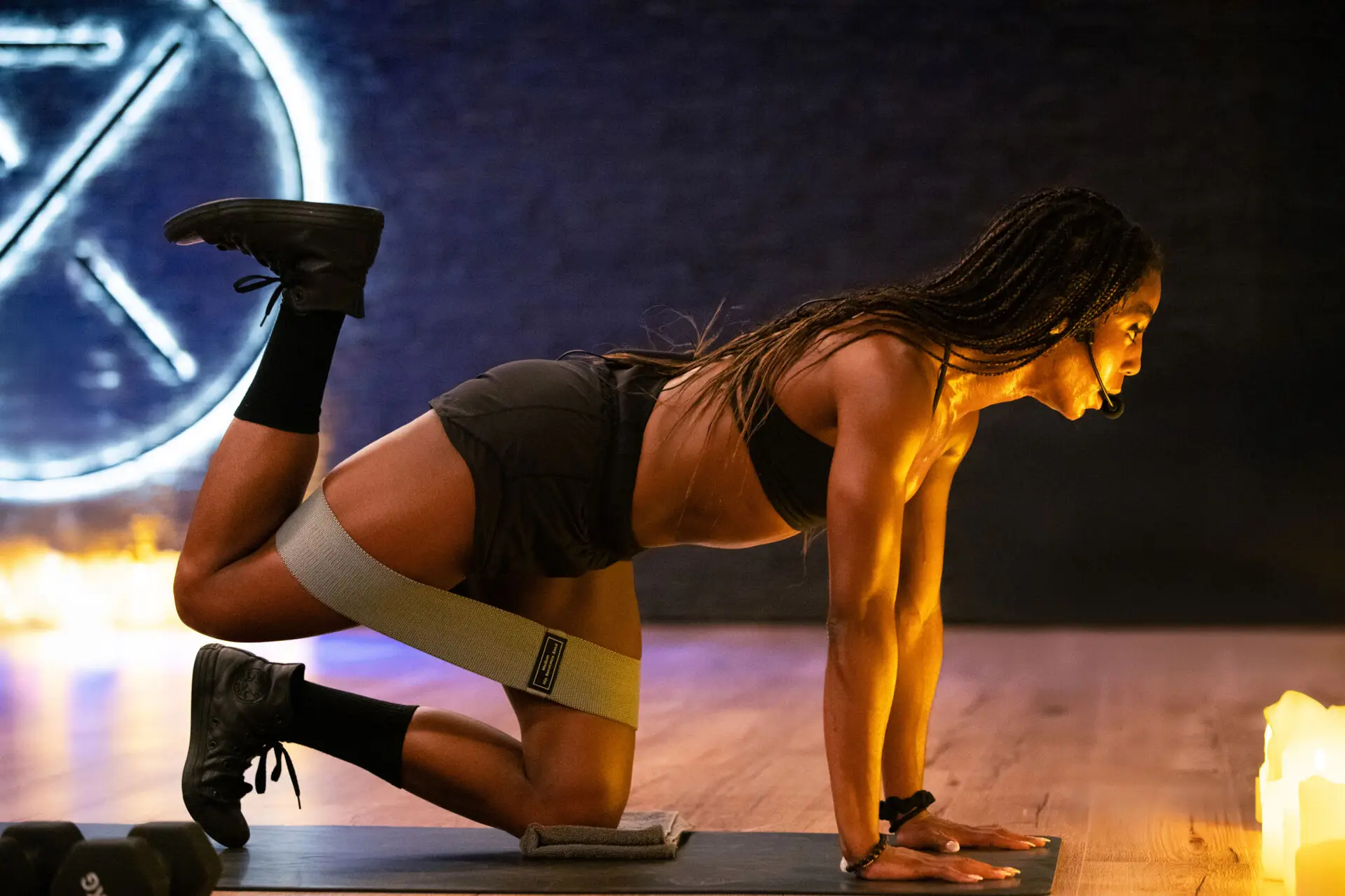
Mat Pilates is the foundation of the whole method. You work on a mat using your own body weight, often with small props such as bands, balls, blocks or light weights. Without a machine to assist you, your core does all the stabilising work, which makes mat Pilates deceptively challenging. It is also the most accessible format, because it is easy to join a group class and practise the same principles at home.
Reformer Pilates
The reformer is a sliding carriage attached to springs, straps and a footbar. The springs can add resistance or assistance, so the same exercise can feel harder or easier depending on the setting. Reformer classes are popular for their variety and the full body resistance the machine provides. Classes are usually limited by the number of machines in the room.
Apparatus Pilates
Beyond the reformer, Joseph Pilates designed several other pieces of equipment, including the Cadillac (also called the trapeze table), the Wunda chair and the ladder barrel. Apparatus sessions are usually taught privately or in very small groups, and they are common in classical studios.
Clinical Pilates
Clinical Pilates is led by a physiotherapist or a specially trained instructor and is used as part of rehabilitation. Sessions are tailored to a specific injury or condition, such as back pain or recovery after surgery. If you are managing an injury, this is a sensible place to start before moving into group classes.
Fusion and Rhythm Based Pilates
Many modern studios blend Pilates with other disciplines. Barre combines Pilates with ballet inspired movement and precise sequencing. Rhythm based classes set Pilates exercises to strong beats, keeping the pace continuous and the energy high. These formats appeal to people who want the control of Pilates with more music, flow and variety.
Heated and Infrared Pilates
Heated Pilates takes place in a warmed room. Infrared studios use heat panels that warm the body directly rather than heating all the air around you. Many students find the warmth helps their muscles relax into each movement and makes the session feel deeper and sweatier. The best heated studios let you choose your intensity by setting up closer to or further from the heat.
Comparing Types of Pilates at a Glance
| Type of Pilates | Equipment | Pace | Best for |
| Classical | Mat and original apparatus | Structured, traditional | Students who value tradition and progression |
| Contemporary | Mat, props or machines | Varied | Most people, most goals |
| Mat | Mat and small props | Controlled | Core strength, accessibility, home practice |
| Reformer | Reformer machine | Varied resistance | Full body resistance training |
| Apparatus | Cadillac, chair, barrel | Slow, detailed | Private, highly tailored sessions |
| Clinical | Varies by need | Gentle, therapeutic | Injury rehabilitation |
| Fusion and rhythm based | Mat, barre or props | Continuous, musical | People who want energy and flow |
| Heated or infrared | Usually mat and props | Controlled, warm | Deeper muscle release and a bigger sweat |
Many classes combine several of these. A rhythm based mat class in an infrared room, for example, sits across three categories at once.
How to Choose the Right Type of Pilates for You
The right type of Pilates depends less on which is best and more on what you want from your training. Start with your main goal.
If you are completely new to Pilates, begin with a beginner friendly mat class. You will learn the foundations of breath, alignment and core engagement, and those skills carry over to every other format.
If you want a stronger core and better posture, choose mat Pilates or a core focused class. Working without machine support asks your deep abdominal and back muscles to do more of the work.
If you are recovering from an injury, start with clinical Pilates or speak to your physiotherapist before joining a group class.
If you enjoy music and energy, try a rhythm based or Barre class. The continuous flow keeps your heart rate up while the Pilates foundations keep your form precise.
If you want a deeper stretch and a bigger sweat, look for heated or infrared Pilates, ideally in a room where you can choose how close you sit to the heat.
If you train for running, cycling or other sports, any type of Pilates will help. Choose the format you will actually stick with, since consistency matters more than the label.
A few practical points also make a difference in a busy city:
- Location: A studio near your office or MTR station makes regular practice far easier.
- Schedule: Look for classes before work, at lunchtime and in the evening.
- Class size: Smaller classes mean more individual guidance from your instructor.
- Instructor quality: Clear cues and thoughtful modifications matter more than any piece of equipment.
Most people benefit from trying two or three types before settling into a routine. Many end up mixing formats across the week.
Pilates Classes at XYZ in Central
At XYZ, our Pilates classes are mat based, low impact and taught in the Mycelium, our infrared movement room in the heart of Central. You can set up directly under the infrared panels for deep warmth, or choose a cooler spot for a milder session that is just as challenging.
Our Pilates inspired formats sit within our Sculpt programme:
- Sculpt & Tone: Slow, controlled movement with bands, yoga balls and blocks. The ideal starting point for beginners.
- Sculpt & Strength: Continuous flow with light to medium dumbbells and ankle weights for more resistance.
- Pilates X Core: A rhythm driven class focused on deep core activation and precise Pilates foundations.
- Barre: The XYZ method, combining ballet and Pilates inspired movement to refine posture and body control.
Every class is open to all levels, and your instructor offers modifications throughout. For a balanced week, pair Pilates with heated strength training or our infrared mobility and recovery classes.
If it is your first visit, our guide for first timers explains what to bring and how to prepare. When you are ready, browse the class schedule and book your mat.
FAQs About Types of Pilates
Is mat Pilates easier than reformer Pilates?
Not necessarily. On a reformer, the springs can assist some movements, while on a mat your own body provides all the stability and control. Many experienced students find mat work just as demanding, and in some exercises harder.
Which type of Pilates is best for weight loss?
Pilates builds strength and muscle tone rather than focusing purely on calorie burn. Faster, rhythm based classes and heated sessions tend to raise your effort more. Pairing Pilates with cardio such as indoor cycling gives a more complete approach.
How many times a week should I do Pilates?
Two to three sessions a week is a common starting point and gives your body time to adapt. As you build strength, you can add sessions or mix in different types of Pilates for variety.
Can I do Pilates if I have never exercised before?
Yes. Pilates is one of the most accessible ways to start exercising because it is low impact and every movement can be modified. Begin with a beginner friendly mat class and let your instructor know you are new.
Is heated Pilates safe?
For most healthy adults, heated Pilates is comfortable when you stay hydrated and listen to your body. Choosing a spot away from the heat source gives you a milder experience. If you are pregnant or have a medical condition, check with your doctor first.