
Choosing the best yoga class in Hong Kong in 2026 is about finding a practice that meets you where you are. Whether you want to build strength, release tension, or quiet a busy mind, the right class can transform how you move through daily life. This guide covers the standout yoga styles worth exploring this year, who each one suits, and how to choose a class that keeps you coming back.
What to Look for in a Yoga Class in 2026
A quality yoga class does more than stretch your body. The best sessions guide your breath, calm your nervous system, and leave you feeling grounded long after you roll up your mat. In 2026, the studios setting the standard combine expert instruction with a considered environment that helps you escape the intensity of city life.
When judging a class, pay attention to a few things:
- Certified teachers who can adapt poses to your level and guide you safely through each sequence.
- A peaceful space designed to help you switch off from the noise of the city.
- A realistic schedule that fits into your week so you can practise consistently.
- Warmth options, since heated practice has surged in popularity for its ability to deepen flexibility.
- Beginner friendly formats that welcome newcomers and build confidence before you progress to more demanding sessions.
The Best Yoga Styles to Try in Hong Kong
Yoga is not one practice but many, and the smartest approach is to sample a few styles before settling into a rhythm. Each format offers something distinct for the body and mind. Below are the styles generating the most interest across Hong Kong studios this year.
Yin Yoga
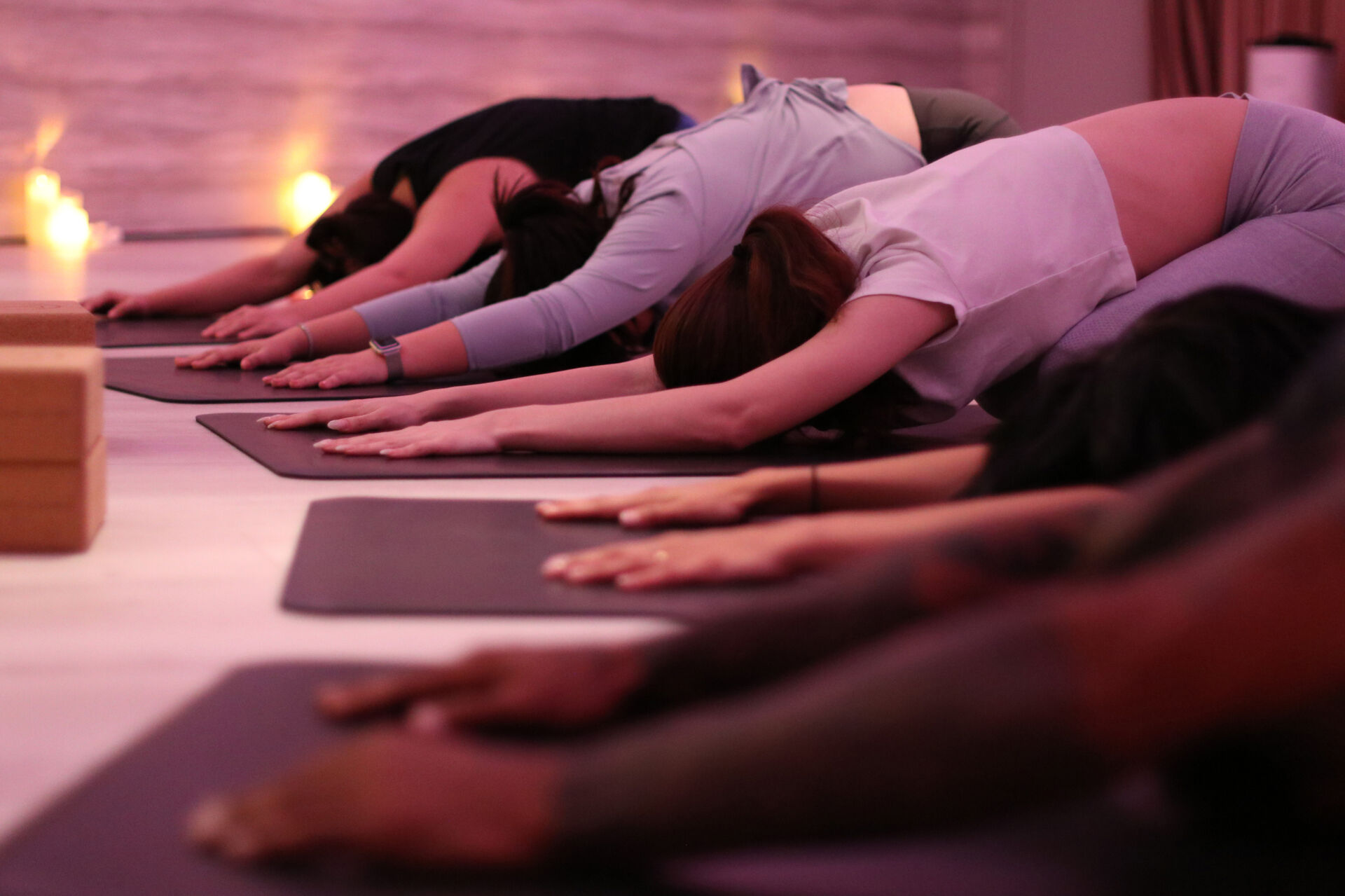
Yin is a slow, meditative practice where poses are held for several minutes at a time. This gentle approach targets the deep connective tissues, improving flexibility and releasing long held tension. It is one of the most restorative styles available and an excellent counterbalance to intense workouts or long hours at a desk. Because it moves at an unhurried pace, Yin is also one of the most accessible entry points for anyone new to yoga. XYZ offers Yin among its yoga and mindfulness classes, making it easy to build a calming practice into your week.
Flow and Vinyasa
Flow yoga links breath to movement, creating a dynamic sequence that builds heat, strength, and focus. This style suits people who want their practice to feel active and energising. Sequences vary from gentle to vigorous, so there is a version for every level. For those transitioning between energy and stillness, a Flow into Yin session offers the best of both, opening with movement before settling into deep, restorative holds. It is a popular choice for practitioners who want balance in a single class. You can also elevate your practice with XYZ Deep House Flow, pairing your asana with immersive house music beats.
Infrared Warm Yoga
Warm yoga has become one of the defining trends of 2026. Practising under infrared heat helps muscles loosen faster, deepens stretches, and encourages a meditative, sweat cleansing state. What sets the best studios apart is control over the heat itself. XYZ lets you position yourself directly beneath the panels for maximum warmth or choose a cooler spot for a gentler experience. Classes run in the Cocoon room, where gentle lighting and soothing sound create a genuinely transcendent atmosphere.
Sound Healing and Restorative
For those seeking deep relaxation, sound healing pairs gentle movement and stillness with resonant tones that guide the mind into calm. This restorative format is less about physical exertion and more about resetting your emotional energy. It is ideal after a stressful week or as a complement to more active training. Sessions like these show how far modern yoga has evolved, blending traditional practice with immersive, sensory design to nourish the whole self.
Comparing Yoga Styles at a Glance
The right style depends on what you want from your practice and how much energy you have on any given day. This comparison shows how the leading formats measure up across the factors that matter most.
| Yoga Style | Primary Benefit | Pace | Best For |
| Yin | Deep flexibility and release | Slow | Recovery and beginners |
| Flow and Vinyasa | Strength and focus | Moderate to fast | Active practitioners |
| Flow into Yin | Balance of energy and calm | Mixed | All levels |
| Infrared Warm Yoga | Detox and deep stretch | Varies | Flexibility and sweat |
| Sound Healing | Relaxation and reset | Very slow | Stress relief |
Many practitioners build a weekly rhythm from two or three of these. A dynamic flow, a warm session, and a restorative Yin or sound healing class together cover strength, flexibility, and calm in a way no single style can.
How to Pick the Right Yoga Class for You
Choosing well means matching the class to your goals rather than following whatever feels trendy. Use this simple approach to narrow your options:
- Know your intention. Choose flow for strength and energy, or Yin and restorative styles for release and calm.
- Account for your schedule. A class near work in Central makes it far easier to practise consistently.
- Respect your level. Beginners should start with gentle formats like Back Care, Yin, or Flow into Yin before advancing.
- Consider warmth. If tight muscles hold you back, infrared heat can deepen your practice quickly.
- Try before you commit. A single class lets you feel the room and teaching style before you settle in.
If you are new to the mat, the first timers guide explains exactly what to expect on your first visit. Getting to know the teaching team also helps you find an instructor whose style resonates with you, which often makes the difference between a class you try once and one you return to every week.
Why a Central Studio Setting Matters
Where you practise shapes how the practice feels. A studio in the heart of Central makes it far simpler to weave yoga into a busy day, whether you flow before work or wind down afterwards. The best spaces feel like a sanctuary rather than a gym, with thoughtfully designed changing rooms, a phone free policy that protects the stillness, and a 15 minute early arrival rhythm that lets you arrive, breathe, and settle before class begins.
What truly elevates a studio is intention. Every room, sound, and teacher is chosen to help you reset and reconnect with your sense of purpose. The infrared difference adds another layer, since user controlled heat lets you tailor each session to your comfort. In 2026, the best yoga class in Hong Kong is not the most advanced one. It is the practice that leaves you calmer, more flexible, and more connected to yourself.
FAQs About the Best Yoga Class in Hong Kong
Which yoga class is best for beginners in Hong Kong?
Beginners often do best with gentle, slower styles such as Back Care, Yin, or Flow into Yin, which introduce poses and breathwork at an approachable pace. These formats build confidence without overwhelming you. Once you feel comfortable, you can move on to flow or warm yoga.
Is hot or infrared yoga suitable for beginners?
Yes, infrared yoga can suit beginners because the best studios let you control your heat exposure. You can position yourself away from the panels for a cooler, gentler session while your body adjusts. The warmth also helps loosen tight muscles, which makes poses more accessible.
How often should I practise yoga each week?
Two to four sessions a week suits most people and delivers steady gains in flexibility, strength, and calm. Even a single dedicated 60 minute practice makes a meaningful difference to how you feel. Consistency matters far more than occasional long sessions.
What should I bring to my first yoga class?
Most studios provide mats and props, so you mainly need form fitting clothing you can move in and a water bottle. For sound healing sessions, loose and comfortable clothing works better. Arriving 15 minutes early gives you time to set up and settle in.
What is the difference between Yin and flow yoga?
Yin is a slow practice where poses are held for several minutes to release deep tension, while flow links breath to continuous movement for strength and energy. Yin suits recovery and calm, whereas flow suits active practitioners. Many people combine both across the week for balance.